
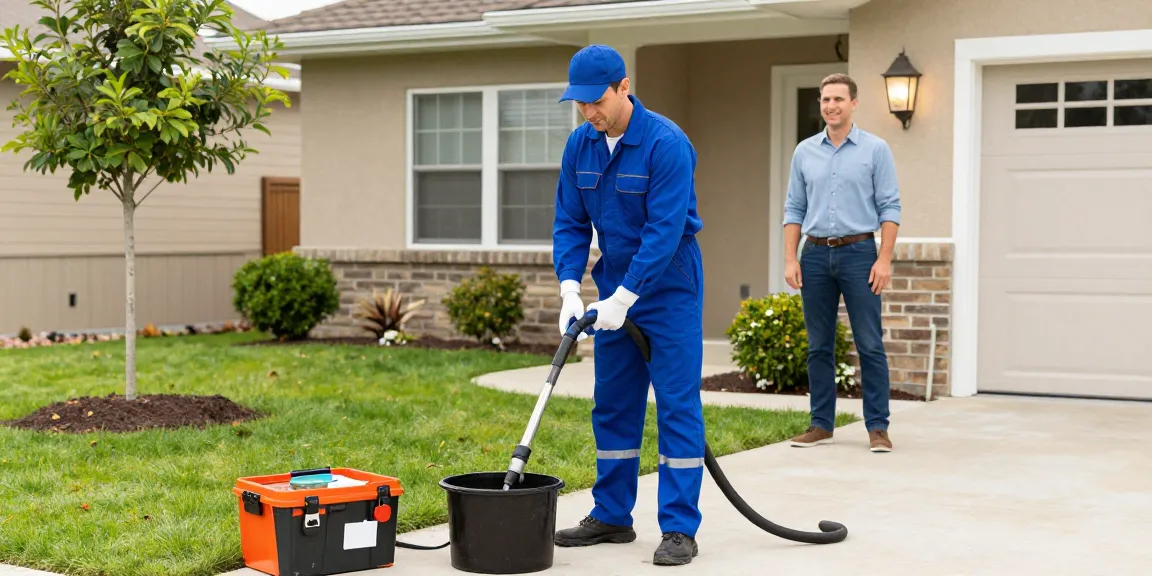
Understanding Septic Pumping Services
Navigating the complexities of septic system maintenance is essential for any homeowner. Understanding septic pumping services not only preserves the functionality of your system but also protects your investment in your property. septic pumping is a critical aspect of this maintenance, ensuring that your system operates efficiently and prevents costly repairs.
What is Septic Pumping?
Septic pumping is the process of removing sludge and scum that accumulate in your septic tank over time. This routine service is essential to prevent backups and maintain the proper functioning of your septic system. The pumping frequency typically depends on tank size, number of occupants, and water usage patterns. Generally, it’s recommended that homeowners have their septic tank pumped every 3-5 years, although this can vary based on individual system usage.
Why Regular Pumping is Essential for Homeowners
Regular septic pumping is crucial for several reasons. First and foremost, it prevents the accumulation of harmful waste materials that can clog your system and lead to expensive repairs. Moreover, routine pumping helps ensure that your system continues to operate efficiently without risking overflow or leakage, which can pose health hazards and environmental risks.
Common Signs Your Septic System Needs Attention
- Gurgling sounds in your plumbing fixtures.
- Slow draining sinks, showers, or toilets.
- Pooling water in your yard near the septic tank.
- Unpleasant odors near the tank or drain field.
If you notice any of these signs, it may be time to contact a professional septic service for an inspection and possible pumping.
How to Choose the Right Septic Pumping Provider
Choosing the right septic pumping provider is critical to ensuring effective service and peace of mind. With numerous options available, making an informed selection requires careful consideration of several factors.
Local vs. National Service Providers
When selecting a septic pumping company, consider your needs in relation to the pros and cons of local versus national providers. Local companies often have a better understanding of regional regulations and operational nuances, which can be beneficial for your specific needs. They are usually more accessible for emergency services, fostering a sense of community reliance and support.
Evaluating Experience and Customer Reviews
Prioritize providers with a solid reputation in your community. Look for customer reviews and testimonials, focusing on feedback about promptness, professionalism, and overall satisfaction. Websites like Yelp can be a great resource for gauging the quality of service offered by local companies.
Key Credentials to Look For (Licensing and Insurance)
Ensure that the provider you choose is properly licensed, bonded, and insured. This not only protects you as a homeowner but also demonstrates the provider’s commitment to industry standards and professionalism. Reputable companies will also offer warranties or guarantees on their work.
Septic Pumping Costs: What to Expect
Understanding the cost of septic pumping is vital to budgeting for this necessary service. Costs can vary significantly based on various factors, including tank size, location, and the specific condition of your septic system.
Average Pricing for Septic Pumping in Your Area
The average cost for septic pumping can range from $250 to $895, depending on your geographical location and the size of your tank. For instance, smaller tanks may incur lower fees, while larger systems or those in particularly challenging locations may cost more. It’s advisable to get quotes from multiple providers to ensure competitive pricing.
Factors Affecting Septic Pumping Costs
- Size of the septic tank.
- Accessibility of the tank.
- Frequency of prior pumping and maintenance.
- Severity of any existing issues, such as clogs.
How to Save on Routine Maintenance
To save on septic pumping costs, consider scheduling regular maintenance and inspections, which can help identify potential issues before they escalate. Additionally, practice proper waste disposal techniques by avoiding flushing non-biodegradable items and using waste-friendly cleaning products.
Maintenance Tips for Your Septic System
Proper maintenance of your septic system extends its life and efficiency. Employing proactive measures can save you from future headaches and expenses.
Best Practices for Homeowners
- Monitor water usage within your home.
- Avoid overloading your system with excessive water.
- Regularly inspect and pump your system.
- Educate others about proper waste disposal.
Seasonal Considerations and Scheduling
It’s important to consider seasonal changes when scheduling septic pumping. For instance, pumping before heavy rainfall or after significant holiday usage can help safeguard your system during peak usage times.
Emergency Services: What You Need to Know
In some instances, emergency septic services are necessary. Knowing the signs of septic failure, such as foul odors or slow drains, can help you react quickly. Many local septic service providers offer emergency pumping services, so be sure to keep their contact information handy.
Frequently Asked Questions about Septic Pumping
How Often Should I Pump My Septic Tank?
As a general rule, septic systems should be pumped every 3 to 5 years. However, factors like household size, water usage habits, and tank size can influence this timeline.
What Are the Consequences of Neglecting Septic Pumping?
Neglecting to pump your septic system can lead to severe blockages, costly repairs, and potential environmental contamination. Systems that are not properly maintained can also cause unpleasant odors and health hazards.
Are There Eco-Friendly Septic Pumping Options?
Many septic service providers are beginning to incorporate eco-friendly practices, such as using bacteria-based treatments and avoiding harsh chemicals. For more information, Miltonsepticpumping.com offers valuable insights. Inquire about “green” options when you contact a potential service provider.

