
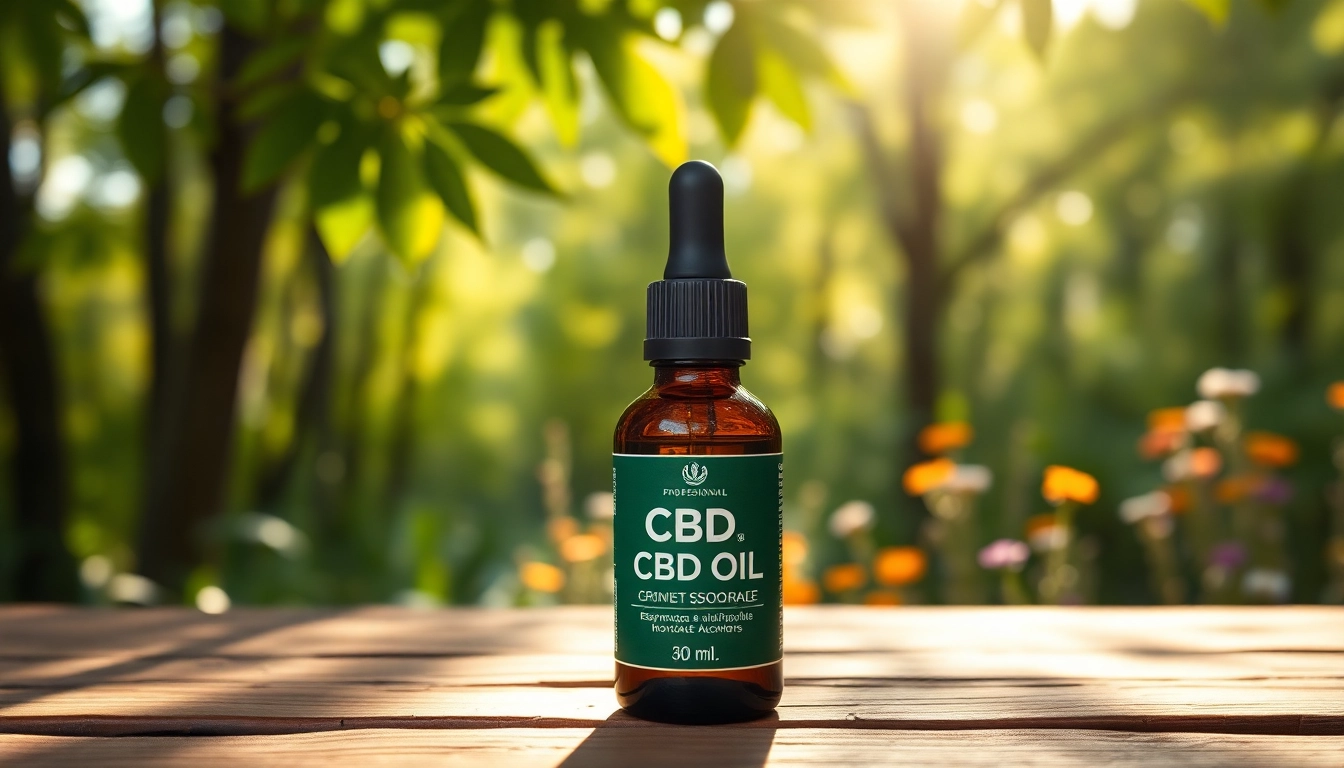
As the world continues to embrace natural remedies for health and wellness, CBD Oil has emerged as a prominent option, gaining popularity for its various therapeutic benefits. Cannabidiol (CBD), a compound derived from cannabis, has sparked interest due to its non-psychoactive properties. Through this comprehensive guide, we will delve into the essence of CBD Oil, examining its benefits, how it interacts with the body, methods of use, and much more. For those looking for high-quality options, exploring CBD Oil from trusted sources is vital.
Understanding CBD Oil: What It Is and How It Works
What is CBD Oil?
CBD Oil is an extract from the cannabis plant that contains high concentrations of cannabidiol. Unlike its more famous relative, tetrahydrocannabinol (THC), CBD does not produce the “high” associated with marijuana. This distinction makes CBD Oil an appealing choice for individuals seeking relief from various ailments without altering their mental state. Generally, CBD Oil is created by extracting CBD from the hemp plant and then diluting it with a carrier oil, such as coconut or hemp seed oil, to enhance absorption and bioavailability.
How CBD Oil Interacts with the Body
The human body has an intricate system known as the endocannabinoid system (ECS), which plays a crucial role in regulating numerous functions, including mood, appetite, sleep, and immune response. CBD interacts with the ECS by influencing cannabinoid receptors (CB1 and CB2) throughout the body. This interaction helps to promote balance or homeostasis, potentially providing various therapeutic applications, such as reducing inflammation, alleviating pain, and enhancing mental well-being.
Types of CBD Oil: Full-Spectrum, Broad-Spectrum, and Isolate
When exploring CBD Oil, it's essential to understand the different types available.
- Full-Spectrum CBD Oil: This type contains all the cannabinoids, terpenes, and other beneficial compounds found in the cannabis plant, including trace amounts of THC (usually less than 0.3%). The presence of multiple cannabinoids creates an "entourage effect," where the compounds work synergistically to enhance potential benefits.
- Broad-Spectrum CBD Oil: Similar to full-spectrum, this oil contains various cannabinoids and terpenes but is THC-free. It offers some benefits of the entourage effect without the psychoactive component, making it suitable for users who wish to avoid THC entirely.
- CBD Isolate: This is the purest form of CBD, containing 99% pure cannabidiol with no other cannabinoids or terpenes. While it lacks the entourage effect, CBD isolate is an excellent option for individuals looking to avoid THC or who prefer a flavorless product.
Health Benefits of CBD Oil
Relief from Chronic Pain and Inflammation
One of the primary reasons people turn to CBD Oil is its potential to provide relief from chronic pain and inflammation. Numerous studies have indicated that CBD may help reduce pain by affecting endocannabinoid receptor activity, interacting with neurotransmitters, and reducing inflammation. Conditions such as arthritis, multiple sclerosis, and fibromyalgia have shown promising responses to CBD treatment, potentially leading to improved quality of life for those afflicted.
CBD Oil for Anxiety and Stress Management
In today's fast-paced world, anxiety and stress have become prevalent issues affecting many individuals. Research suggests that CBD Oil may have anxiolytic (anxiety-reducing) effects, making it a popular option for those seeking natural alternatives to traditional medications. By influencing serotonin receptors in the brain, CBD may help reduce anxiety symptoms and promote a sense of calm and well-being.
Potential Neuroprotective Properties of CBD Oil
Emerging research is examining the neuroprotective properties of CBD Oil, indicating a potential role in treating neurological disorders such as epilepsy and multiple sclerosis. Preclinical studies suggest that CBD may help decrease seizure frequency in epilepsy patients and reduce the severity of symptoms associated with multiple sclerosis. These findings highlight the importance of continued research into CBD’s therapeutic potential for various neurological conditions.
How to Choose the Right CBD Oil
Factors to Consider When Selecting CBD Oil
Choosing the right CBD Oil can be overwhelming due to the various options available. Here are some crucial factors to consider:
- Source: Ensure that the hemp used for extracting CBD is sourced from reputable farms that prioritize organic and sustainable practices. This ensures cleaner, high-quality oil.
- Extraction Method: Look for products that utilize safe extraction methods like CO2 extraction, which maximizes potency without using harmful solvents.
- Third-Party Testing: Reliable products should undergo third-party laboratory testing to verify potency and purity. Look for a Certificate of Analysis (COA) to ensure you’re receiving what you’re paying for.
Understanding CBD Oil Labels and Potencies
Understanding the labels on CBD Oil products is crucial in making informed decisions. Look for descriptions that detail:
- Concentration: This indicates how much CBD is present in the product. Higher concentrations are often associated with stronger effects but can vary from user to user.
- Ingredients: Besides CBD, check for additional active ingredients or flavorings used in the product to ensure they align with your health goals.
Reading Third-Party Lab Reports for Quality Assurance
Third-party lab reports serve as an essential tool for quality assurance. These reports verify the contents of the CBD Oil, showing cannabinoid profiles, contaminants, and potency levels. Consumers should always request or check for these reports to ensure transparency and product integrity, providing peace of mind regarding their purchase.
Methods of Using CBD Oil
Different Administration Methods of CBD Oil
CBD Oil can be administered in multiple ways, each offering unique advantages. Common methods include:
- Sublingual Administration: Placing drops under the tongue allows for quick absorption into the bloodstream, resulting in faster effects.
- Ingestion: CBD Oil can be incorporated into various foods or beverages for targeted relief, although it may take longer to experience effects due to digestion.
- Topical Application: Applying CBD-infused creams or balms directly to the skin can target localized pain or inflammation without systemic effects.
Choosing the Right Dosage of CBD Oil
Determining the proper dosage for CBD Oil can vary widely among individuals, influenced by factors such as weight, metabolism, sensitivity, and the condition being treated. It is advisable to start with a low dose and gradually increase until desired effects are achieved. Consulting healthcare professionals knowledgeable in CBD use can provide personalized recommendations.
Combining CBD Oil with Other Wellness Practices
Many individuals find enhanced benefits by incorporating CBD Oil into their broader wellness routines. Whether coupled with mindfulness practices, exercise, or nutritional improvements, CBD Oil can potentially amplify overall well-being. For example, combining CBD with yoga can enhance relaxation and stress relief, creating a holistic approach to health.
Considerations and Potential Side Effects of CBD Oil
Popular Myths About CBD Oil Debunked
Misconceptions about CBD Oil often deter individuals from exploring its benefits. A common myth is that CBD Oil is psychoactive; however, it does not produce the intoxicating effects associated with THC. Another widespread belief is that CBD is addictive, which has been dispelled by research showing that CBD has a low potential for abuse and dependency compared to many pharmaceutical drugs.
Potential Risks and Side Effects of CBD Oil
While CBD Oil is generally considered safe, some individuals may experience side effects, including fatigue, changes in appetite, or gastrointestinal issues. Additionally, CBD may interact with other medications, impacting their efficacy. Therefore, it's essential to approach CBD use with caution and to monitor any changes in health when starting.
Consulting Healthcare Professionals Before Use
Before incorporating CBD Oil into your routine, it’s advisable to consult with healthcare professionals, particularly if you are pregnant, nursing, or have existing health conditions. They can provide personalized advice based on your health history and current medications, ensuring a safe and beneficial experience with CBD Oil.