
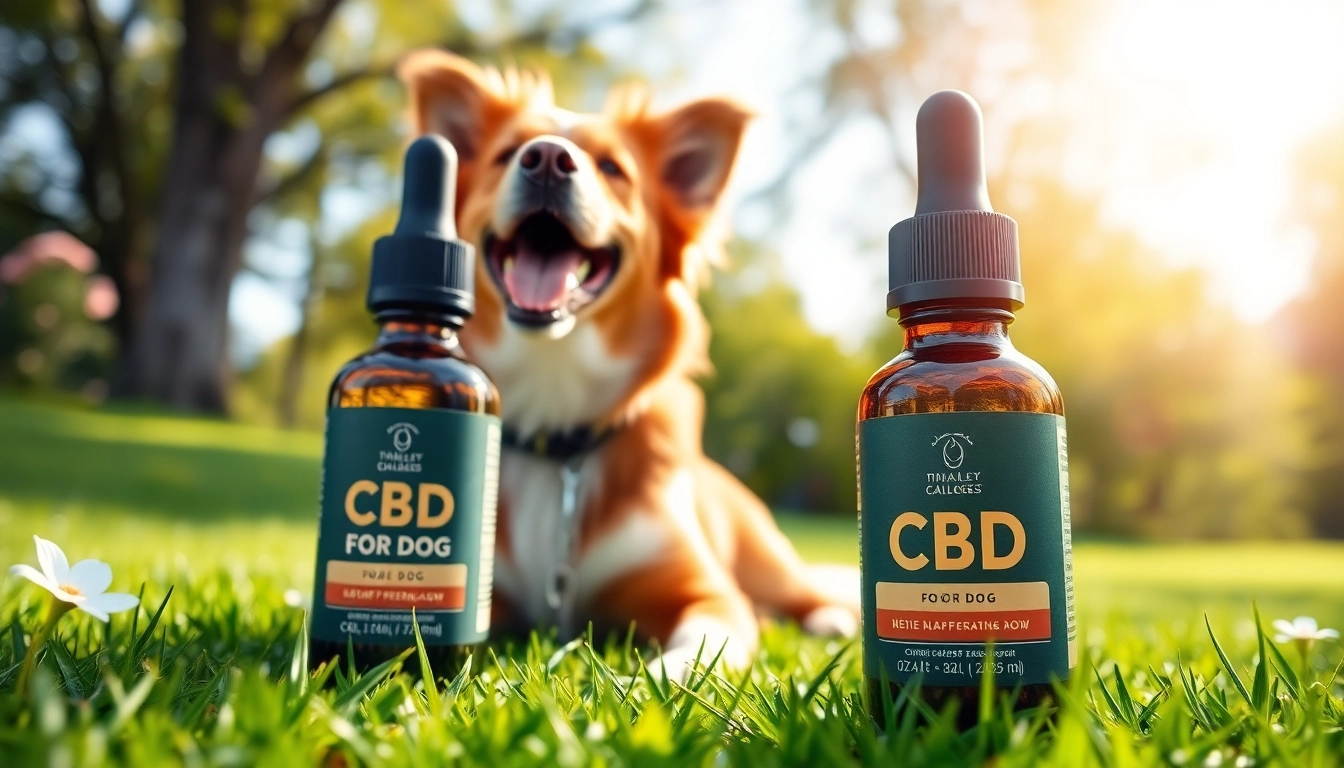
Understanding CBD Oil For Dog
What is CBD Oil and Its Origins?
CBD oil, a derivative of the hemp plant, has gained significant attention as a potential wellness solution for dogs. Cannabidiol (CBD) is one of the many compounds found in cannabis plants, specifically sourced from hemp to ensure minimal levels of tetrahydrocannabinol (THC), the psychoactive component that produces a "high." The extraction process involves using various techniques to isolate CBD, resulting in oils that can be used therapeutically for pets. Its origins date back thousands of years, where hemp was utilized in various cultures for its medicinal properties. Today, the focus is on its therapeutic potential for dogs, as research uncovers its multitude of benefits, particularly in managing pain, anxiety, and inflammation.
Benefits of CBD Oil For Dog
The advantages of CBD Oil For Dog are diverse, touching various aspects of canine health. One of the most notable benefits is its ability to alleviate anxiety and stress. Dogs can experience anxiety from various stimuli—such as thunderstorms, loud fireworks, or even separation from their owners. Furthermore, CBD oil is contentiously being studied for its anti-inflammatory properties, which can help dogs suffering from joint pain or conditions like arthritis. This natural remedy may also support overall wellness in dogs by promoting a sense of calm and balance in their daily lives.
How Does CBD Oil Work in Dogs?
Cannabidiol interacts with the endocannabinoid system (ECS) found in all mammals, including dogs. This system plays a crucial role in regulating a myriad of functions, ranging from mood to pain perception. When a dog consumes CBD oil, it binds to endocannabinoid receptors in the ECS, promoting homeostasis—this means it can help maintain a stable internal environment despite external stressors. The effect of CBD can vary based on the individual’s body weight, metabolism, and specific health issues, explaining why it is imperative to consider dog breed or individual characteristics when choosing dosage.
Choosing the Right CBD Oil For Dog
Key Ingredients to Look For
When selecting a CBD oil for dogs, understanding the formulation is essential. Key ingredients should include organic hemp extract to ensure that the CBD is free of harmful pesticides and chemicals. Additionally, the presence of other beneficial cannabinoids, terpenes, and flavonoids can enhance the therapeutic effects of CBD oil through the 'entourage effect,' where compounds work synergistically to provide stronger benefits. Ingredients like coconut oil or olive oil are commonly used as carriers to enhance absorption and improve flavor, making it easier for your dog to consume.
Full Spectrum vs. Isolate CBD Oil
Another consideration when choosing CBD Oil For Dog is whether to opt for full spectrum or CBD isolate. Full-spectrum CBD oil contains all cannabinoids, terpenes, and flavonoids found in the cannabis plant, keeping the beneficial compounds intact. This offers a broader range of potential health benefits due to synergistic interactions. In contrast, CBD isolate is pure cannabidiol without any other compounds, ideal for dogs that may be sensitive to THC. Understanding the differences can help pet owners make informed choices based on their dog’s specific health needs.
Dosing Guidelines for Different Breeds
Determining the appropriate dosage for your dog is paramount for effective treatment. Factors such as breed, size, and the specific health issue being addressed can influence dosage. A general guideline is to start with a low dose, often around 0.1 to 0.2 mg per kilogram of body weight, and gradually increase it until the desired effect is achieved. For example, a 10 kg dog might begin with a dose of 1-2 mg of CBD. Always consult your veterinarian before beginning any new treatment regimen to tailor the dosage that is safe and effective for your furry friend.
Health Benefits of CBD Oil For Dog
Managing Anxiety and Stress
CBD oil has shown promise as a natural remedy for managing anxiety and stress in dogs. Many dogs experience situational anxiety, such as during thunderstorms or when separated from their owners. Research indicates that CBD may help dogs to remain calm in these situations by influencing serotonin receptors. Studies have suggested that CBD not only reduces anxiety symptoms but may also lower the physiological signs of stress. This can lead to improved behavior, making it easier for pets and owners alike to navigate challenging situations.
Relieving Joint Pain and Inflammation
Older dogs or those with active lifestyles often face joint pain due to arthritis or other inflammatory conditions. CBD oil’s purported anti-inflammatory properties make it a compelling option for addressing these issues. By interacting with receptors in the ECS, CBD can help reduce inflammation, leading to less pain and improved mobility. This can enhance a dog's quality of life, allowing them to engage in play and exercise more comfortably.
Supporting Overall Wellness
Using CBD Oil For Dog can support not only the physical health of dogs but their overall wellness as well. This includes improvements in appetite, sleep quality, and general behavior. Regular use may contribute to longevity and vitality, and some studies suggest it can positively impact conditions like seizures or extreme nervousness in dogs.
Potential Side Effects of CBD Oil For Dog
Common Reactions and Safety Measures
While many dogs may respond positively to CBD oil, potential side effects should be acknowledged. Common reactions encompass drowsiness, upset stomach, dry mouth, or, in rare instances, lethargy and low blood pressure. To ensure safety, it is critical to monitor your dog's response during the initial administration period. Starting with lower doses can mitigate adverse effects while allowing pet owners to gauge their pet’s tolerance.
When to Consult with a Veterinarian
Before starting any new supplement, including CBD oil, consulting with a veterinarian is essential, especially if your dog is on existing medications or has pre-existing health conditions. Your veterinarian can provide personalized advice tailored to your dog’s specific needs and monitor their health as they adapt to a new treatment. This proactive approach minimizes risks and maximizes benefits.
Misinformation Around CBD Use in Dogs
Misinformation surrounding CBD use persists, often leading to confusion among pet owners. Some common myths include the belief that any cannabis product is safe for dogs or that CBD can induce intoxicating effects. Educating yourself beyond surface-level understanding is necessary to combat these misconceptions. Trustworthy resources, scientific studies, and consultation with veterinary professionals can empower pet owners to make informed decisions on behalf of their pets.
Administering CBD Oil For Dog Effectively
Methods of Administration
Administering CBD oil to dogs can be done in several ways, depending on your dog's preferences. The most common method involves placing the oil directly in your dog’s mouth using a dropper, which allows for quick absorption. Alternatively, it can be mixed into their food or treats for a more palatable experience. Ensuring that the CBD oil is well-mixed and consumed entirely can maximize its effectiveness.
Combining CBD Oil with Other Treatments
CBD oil can be administered alongside other treatments, such as pharmaceuticals prescribed for anxiety or pain relief, but this should only be done with guidance from a veterinarian. Combining therapies can improve outcomes for many dogs dealing with chronic issues, but it is vital to consider the cumulative effects on your dog’s health. Always discuss potential interactions with a vet to ensure compatibility and safety.
Monitoring Your Dog’s Response
Once you start administering CBD oil, monitoring your dog’s response is crucial. Changes in behavior, appetite, and overall activity levels can provide insights into the oil's effectiveness. Keeping a daily log can help identify any patterns or specific reactions over time. If adverse effects are noted, it may be necessary to adjust the dosage or discontinue use, with veterinary assistance.