
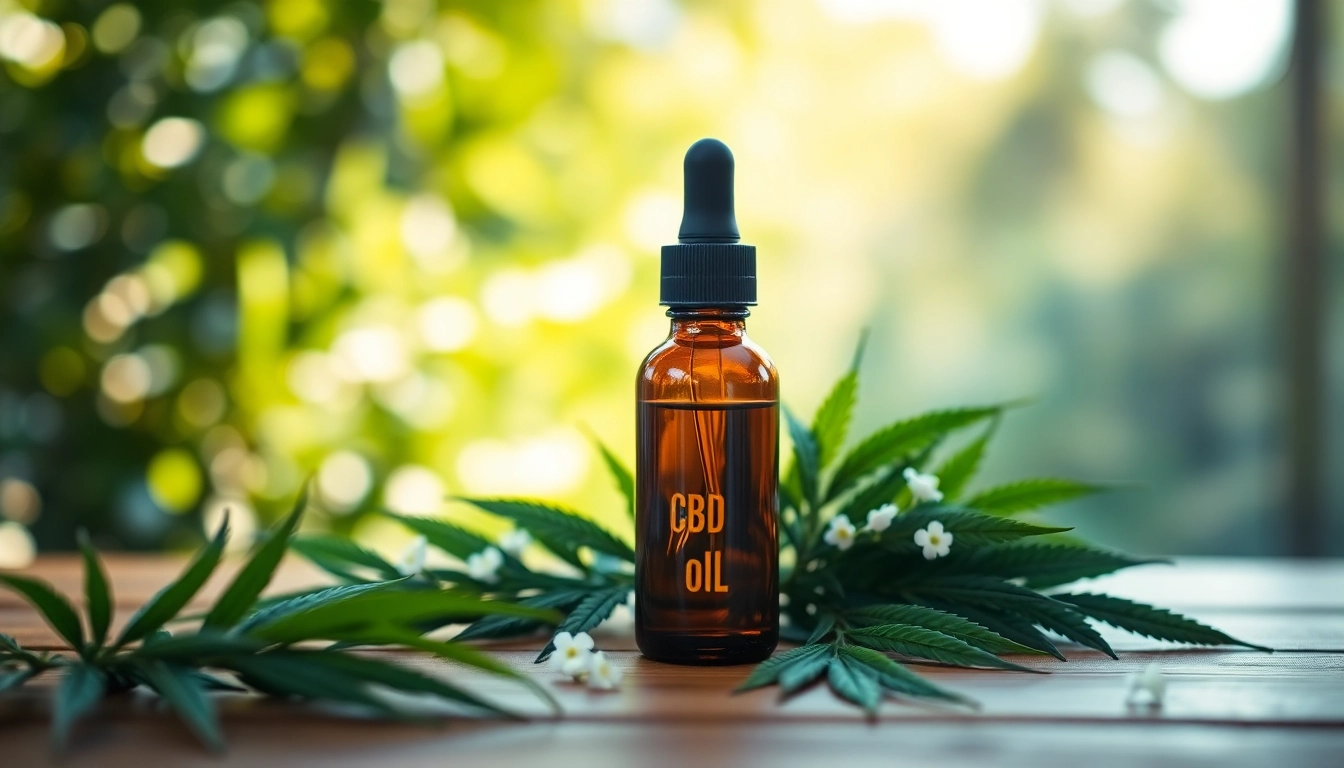
Understanding CBD: Basics and Beyond
What is CBD?
Cannabidiol, commonly known as CBD, is one of over 100 active compounds found in the cannabis plant. Unlike its well-known counterpart THC (tetrahydrocannabinol), CBD does not produce psychoactive effects, meaning it does not result in the "high" associated with marijuana. This characteristic has made CBD a popular choice for individuals seeking therapeutic benefits without the mental alteration that THC can cause.
Chemistry of CBD: How It Works
The chemistry of CBD involves its interaction with the body's endocannabinoid system (ECS), a complex cell-signaling system that plays a crucial role in regulating various physiological processes. The ECS consists of cannabinoid receptors, endocannabinoids, and enzymes. CBD primarily interacts with two main receptors, CB1 and CB2, modulating their activity to promote balance within the body.
CB1 receptors are predominantly found in the brain and central nervous system, while CB2 receptors are mainly located in the immune system. By influencing these receptors, CBD can help regulate mood, pain sensation, inflammation, and immune response.
The Legal Landscape of CBD
The legal status of CBD varies significantly across different regions and countries. In the United States, CBD derived from hemp (with less than 0.3% THC) was made legal under the 2018 Farm Bill. However, individual states have the right to enforce their regulations, creating a complex legal landscape. It's essential for consumers to stay informed about the laws in their respective areas to ensure compliance.
Health Benefits of CBD
Managing Anxiety and Stress with CBD
Research suggests that CBD may have anxiolytic (anxiety-reducing) effects. Studies have indicated that CBD can alter the brain’s receptor responses to serotonin, a neurotransmitter linked to mood regulation. This mechanism could potentially benefit individuals suffering from anxiety disorders, including generalized anxiety disorder, social anxiety disorder, and post-traumatic stress disorder (PTSD).
In clinical settings, participants have reported reductions in anxiety levels following CBD administration, particularly in performance-based situations, which highlights its potential as a natural alternative to conventional anti-anxiety medications.
Potential Pain Relief and Inflammation Reduction
CBD's anti-inflammatory properties have sparked interest in its use for pain management. By interacting with CB2 receptors in the immune system, CBD may help reduce pain and inflammation. This makes it a candidate for treating various conditions such as arthritis, fibromyalgia, and chronic pain syndromes.
Furthermore, anecdotal evidence and preliminary research suggest that CBD may modulate pain pathways and offer relief without the side effects often associated with traditional pain medications, such as opioid dependency.
CBD for Improved Sleep Quality
Sleep disturbances affect millions of individuals worldwide, leading to various health issues. Preliminary studies indicate that CBD may help improve sleep quality by addressing issues that contribute to insomnia, such as anxiety and chronic pain. By promoting relaxation and a sense of calm, users may find it easier to fall and stay asleep.
Additionally, CBD may influence the sleep cycle, promoting deeper sleep stages and reducing the number of awakenings throughout the night. As more research emerges, the potential for CBD to be integrated into sleep aids and wellness routines becomes more apparent.
Safety and Side Effects of CBD
Common Side Effects to Consider
While CBD is generally well-tolerated, it is essential for users to be aware of potential side effects. Commonly reported effects include dry mouth, fatigue, changes in appetite or weight, and diarrhea. These side effects can vary in severity from person to person and are typically mild.
Before starting CBD, individuals should consult with healthcare providers, especially if they have existing health conditions or are taking other medications.
Who Should Avoid CBD?
Certain individuals should exercise caution or avoid CBD altogether. Pregnant or nursing women, individuals with liver diseases, and those taking certain medications, particularly those that interact with the cytochrome P450 enzymes (involved in drug metabolism), should consult their healthcare provider before using CBD. Adverse interactions with other medications can lead to serious health risks.
Interactions with Other Medications
CBD can interact with various medications, altering their effects. This is particularly relevant for drugs that are metabolized by enzymes in the liver. For instance, CBD can inhibit the activity of these enzymes, potentially leading to increased levels of other medications in the bloodstream, which may enhance side effects or reduce efficacy. Any individual considering CBD alongside other treatments should have a thorough discussion with a healthcare professional.
Choosing Quality CBD Products
What to Look for in CBD Oil
When selecting CBD products, consumers should pay attention to several critical factors. First, the source of the hemp is essential; reputable producers often use organically grown hemp to avoid pesticides and harmful chemicals. Additionally, CBD oil should be extracted using CO2 extraction methods, ensuring a pure and high-quality product.
Moreover, consumers should look for full-spectrum products, which contain a variety of cannabinoids and terpenes that can enhance the effects of CBD through the entourage effect—a phenomenon where different cannabis components work synergistically.
Third-Party Testing and Certifications
Third-party testing is vital in confirming the quality and potency of CBD products. Reputable brands should provide Certificates of Analysis (COAs) from independent laboratories, detailing the cannabinoid content and ensuring the absence of contaminants such as heavy metals, pesticides, and solvents. This transparency fosters trust and verifies that consumers receive what they pay for.
Understanding CBD Dosage Recommendations
Determining the right dosage of CBD can be a personalized process, as individual factors such as body weight, metabolism, and the condition being treated can influence effectiveness. It is generally advised for first-time users to start with a low dose and gradually increase it while monitoring effects. Many sources suggest starting with 5-10 mg of CBD and adjusting by 5 mg increments until the desired effects are achieved.
Keeping a journal to track dosages and effects can aid in finding the optimal level for each individual’s unique needs.
Future Trends in the CBD Industry
The Rise of CBD in Wellness Products
The growing interest in holistic wellness has positioned CBD as a key ingredient in various products, from skincare to dietary supplements. As more consumers lean towards natural remedies, the incorporation of CBD into beauty and wellness routines is likely to flourish. Innovations in product formulations, such as CBD-infused beverages and topical applications, are also anticipated to expand market reach.
Innovative CBD Delivery Methods
As the market evolves, so does the technology behind CBD delivery methods. Beyond traditional oils and tinctures, new formats such as gummies, capsules, and transdermal patches are becoming increasingly popular. These innovations aim to enhance bioavailability and provide more convenient options for consumers, catering to various preferences and lifestyles.
Research and Development in CBD Studies
The scientific community is increasingly focusing on research surrounding CBD. Ongoing studies aim to investigate its potential therapeutic applications across various medical conditions, including epilepsy, neurodegenerative diseases, and substance abuse disorders. As more scientific data emerge, they will help validate CBD's efficacy and safety, potentially leading to broader medical acceptance and regulatory frameworks.