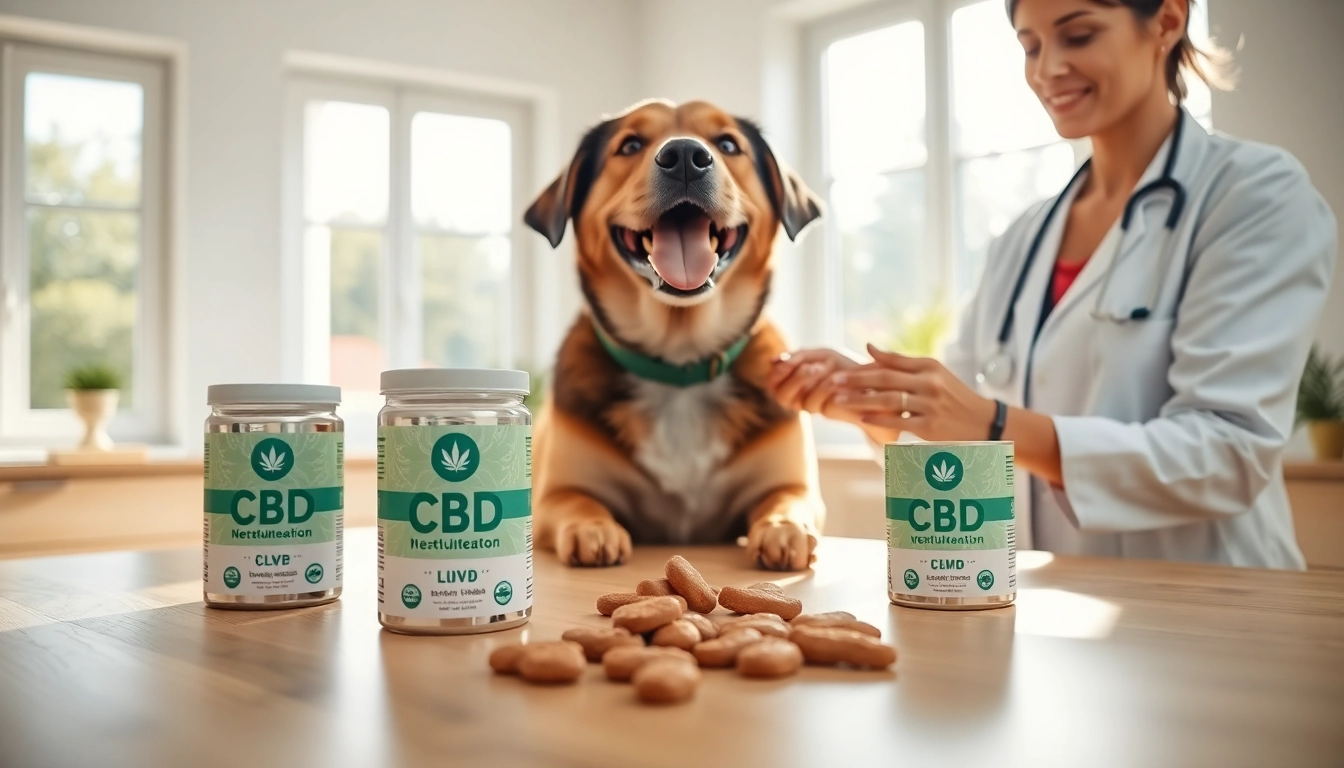
Understanding CBD For Pet: What You Need to Know
As pet owners become increasingly aware of holistic health solutions, CBD has emerged as a popular option for enhancing the well-being of our furry companions. CBD For Pet products are gaining traction, touted for their potential benefits in managing various health issues in dogs and cats. But what exactly is CBD, and how can it be beneficial for our pets? Let’s explore this topic in depth.
What is CBD and Its Benefits for Pets?
Cannabidiol, commonly known as CBD, is a non-psychoactive compound derived from the hemp plant. Unlike its counterpart, THC (tetrahydrocannabinol), CBD does not produce a “high.” Instead, it interacts with the endocannabinoid system (ECS) present in both humans and animals. This system plays a crucial role in regulating various physiological processes, including mood, pain sensation, and immune response.
The potential benefits of CBD for pets are numerous:
- Anxiety Reduction: Many pets suffer from anxiety due to environmental changes, loud noises, or separation from their owners. CBD can promote relaxation and minimize stress-related behaviors.
- Anti-Inflammatory Properties: CBD has shown promise in alleviating inflammation, making it beneficial for pets suffering from arthritis or other inflammatory conditions.
- Pain Management: Through its interaction with the ECS, CBD may help manage chronic pain associated with aging or injuries.
- Support for Overall Wellness: Regular use of CBD might contribute to an overall sense of well-being and vitality, encouraging a healthier lifestyle for pets.
Types of CBD Products Available for Pets
The pet CBD market has expanded remarkably, offering a variety of product types to meet the needs of different pets. These include:
- Oils and Tinctures: These are typically administered using a dropper and can be easily mixed into food or given directly. They allow for precise dosage adjustments depending on the pet’s size and needs.
- Treats: CBD-infused treats provide a convenient method of administration. They often come in various flavors, making it easier to get pets to take their medication.
- Topicals: CBD creams and balms can be applied directly to the skin to relieve localized discomfort or irritation.
- Capsules and Gel Caps: These offer another way to deliver a consistent dose of CBD but may not be as palatable for pets that are fussy about food.
How CBD Works in Pets’ Bodies
The effectiveness of CBD in pets largely hinges on its interaction with the ECS. This system comprises endocannabinoids, receptors, and enzymes that work together to maintain homeostasis in the body. Here’s a closer look at how CBD operates within this framework:
- Interaction with Receptors: CBD primarily interacts with CB1 and CB2 receptors, which are found throughout the pet’s body, including the brain and immune system. This interaction can help regulate pain, mood, and inflammation.
- Modulation of Neurotransmitters: CBD can influence the release of neurotransmitters, which can affect anxiety levels and pain perception in pets.
- Promotion of Homeostasis: By aiding the ECS in regulating bodily functions, CBD can support equilibrium, helping pets manage stress, pain, and other conditions.
Common Health Issues Addressed by CBD For Pet
Managing Anxiety and Stress in Pets
Anxiety disorders in pets can manifest in various ways, including excessive barking, chewing, and refusal to eat. CBD has gained popularity as a natural alternative to pharmaceutical treatments. Research indicates that CBD may promote a calm demeanor during stressful situations.
For instance, pet owners have reported positive outcomes when administering CBD to pets before exposure to noisy environments or during travel. This can be particularly beneficial during events like thunderstorms or fireworks, which tend to trigger anxiety in many animals.
Relieving Pain and Inflammation
Chronic pain, whether from aging, injury, or degenerative conditions, is common in pets. CBD is thought to alleviate pain by reducing inflammation and interacting with pain receptors in the body. Studies have shown promising effects of CBD oil in managing arthritis symptoms in dogs, leading to improved mobility and quality of life.
Veterinary professionals are exploring CBD’s potential to be incorporated into pain management protocols, moving away from traditional analgesics that may have undesirable side effects.
Supporting Overall Wellness
Beyond targeted health concerns, CBD can promote overall wellness in pets. Regular use may result in a stronger immune system, improved appetite, and better digestive health. By enhancing the pet’s natural ability to heal itself, CBD encourages a balanced lifestyle.
Moreover, as pet owners increasingly incorporate CBD into their pets’ diets, anecdotal evidence suggests noticeable improvements in coat health, energy levels, and even dental health.
Choosing the Right CBD For Pet Products
Safety and Quality Considerations
When selecting CBD products for pets, safety and quality should be top priorities. The pet CBD market is largely unregulated, leading to significant variations in product quality. Here are essential considerations:
- Source of CBD: Opt for products made from organic hemp to ensure no pesticides or harmful chemicals are present.
- Third-Party Lab Testing: Quality companies will provide lab results verifying the product’s CBD content and safety. These results confirm that the product is free from contaminants.
- THC Content: Ensure the product contains negligible levels of THC (<0.3%), as higher levels can be toxic to pets.
How to Read CBD Labels for Pets
Many pet owners may find it challenging to read and understand product labels. Here’s a guide to help interpret what you see:
- CBD Content: Look for the amount of CBD per serving. This will help you determine the appropriate dosage for your pet’s weight.
- Ingredients List: Ensure there are no harmful additives, fillers, or by-products that could affect your pet’s health.
- Serving Size Recommendations: Many brands include a recommended serving size based on the pet’s weight. Use this as a guideline, adjusting as necessary.
Consulting Your Veterinarian
Before introducing CBD into your pet’s regimen, it’s advisable to consult with a veterinarian, ideally one familiar with holistic and alternative treatments. A veterinarian can provide personalized recommendations based on your pet’s health status and any concurrent medications.
Administering CBD For Pet: Best Practices
Appropriate Dosages for Different Pets
Determining the right dosage of CBD for pets can depend on several factors, including species, size, and the condition being treated. A general guideline is to start with a low dose and gradually increase until the desired effect is achieved.
Common recommendations suggest administering 1-5 mg of CBD for every 10 pounds of body weight. For instance, a 30-pound dog might benefit from a starting dose of 3-15 mg. Monitor your pet’s response closely to find the optimal dosage.
Ways to Deliver CBD to Your Pet
Administering CBD can be straightforward once you gauge your pet’s preferences. Here are some effective methods:
- Direct Oral Administration: For oils or tinctures, you can place the dropper directly into your pet’s mouth or mix it into their food.
- Incorporating into Meals: Adding tinctures or crushed treats into your pet’s food can mask the taste while ensuring they receive the dose.
- Using Treats: Many companies now produce CBD-infused treats specifically designed for pets, making them an enjoyable way for your pet to get their daily dose.
Monitoring and Adjusting Dosages
After introducing CBD, it’s crucial to monitor your pet for any changes in behavior or health. Note improvements in their condition, and if necessary, adjust the dosage. Keep track of your observations over a few weeks to identify patterns and the most effective dosage.
Legal Landscape and Future of CBD For Pet
Current Regulations Surrounding CBD Use in Pets
The legal status of CBD for pets can be quite complex, as regulations vary by state and country. In the United States, the 2018 Farm Bill legalized hemp-derived products containing less than 0.3% THC. However, the FDA has not approved any CBD products specifically for animals. This creates a gray area for consumers looking for reliable and safe options.
Research and Development in the CBD Pet Industry
Ongoing research is exploring the therapeutic potential of CBD in pets, with scientific studies looking to validate its efficacy and safety. Emerging findings suggest that CBD may play a beneficial role in various treatments, from anxiety management to pain relief, bolstering the case for its wider adoption in veterinary medicine.
What Pet Owners Should Anticipate in the Future
As awareness grows, the CBD pet industry is likely to see significant advancements and regulatory changes. Pet owners can expect more scientifically backed products, innovative formulations tailored to specific health concerns, and a greater push towards educating the public about the benefits and limitations of CBD use.
In conclusion, incorporating CBD into your pet’s health routine may offer substantial benefits. Understanding the product types available, monitoring your pet’s response, and consulting with a veterinarian will help ensure a safe and effective experience. As research in this field continues to expand, we can anticipate a promising future for CBD in pet health.