
Understanding the Basics of Sports Broadcasting
Defining Sports Broadcasting
Sports broadcasting is the transmission of live or recorded sporting events through various media platforms, including television, radio, and online streaming services. It plays a crucial role in how fans engage with their favorite sports, offering commentary, analysis, and live coverage that enhance the viewing experience. Effective sports broadcasting informs audiences about game details, player statistics, and team performance, while also creating a narrative that captivates viewers and listeners alike. As a vital part of the sports ecosystem, Sports Broadcasting fosters a connection between athletes and fans, ensuring that every match, game, or event is more than just scores and statistics.
History and Evolution of Sports Broadcasting
The origins of sports broadcasting can be traced back to the early 20th century with radio broadcasts of sporting events. The first live radio sports event covered was a boxing match in 1921. As technology progressed, television emerged as a new medium, revolutionizing how audiences accessed sports content. In the 1950s, televised sports gained immense popularity, leading to increased investment and the establishment of dedicated sports channels. Today, the rise of digital platforms and social media has drastically changed the landscape, allowing viewers to engage with content anytime and anywhere, further broadening the scope of sports broadcasting.
The Role of Technology in Sports Broadcasting
Technological advancements have continually shaped sports broadcasting. From high-definition cameras and drones for aerial shots to augmented reality graphics that provide real-time data overlays, technology enhances the viewer’s experience. Streaming services have also transformed distribution methods, allowing fans to watch games on the go. Innovations like the use of AI in analyzing player performance and automating commentary are pushing the boundaries of what’s possible, ensuring sports broadcasting remains dynamic and engaging.
Elements of Effective Sports Broadcasting
Essential Equipment for Sports Broadcasting
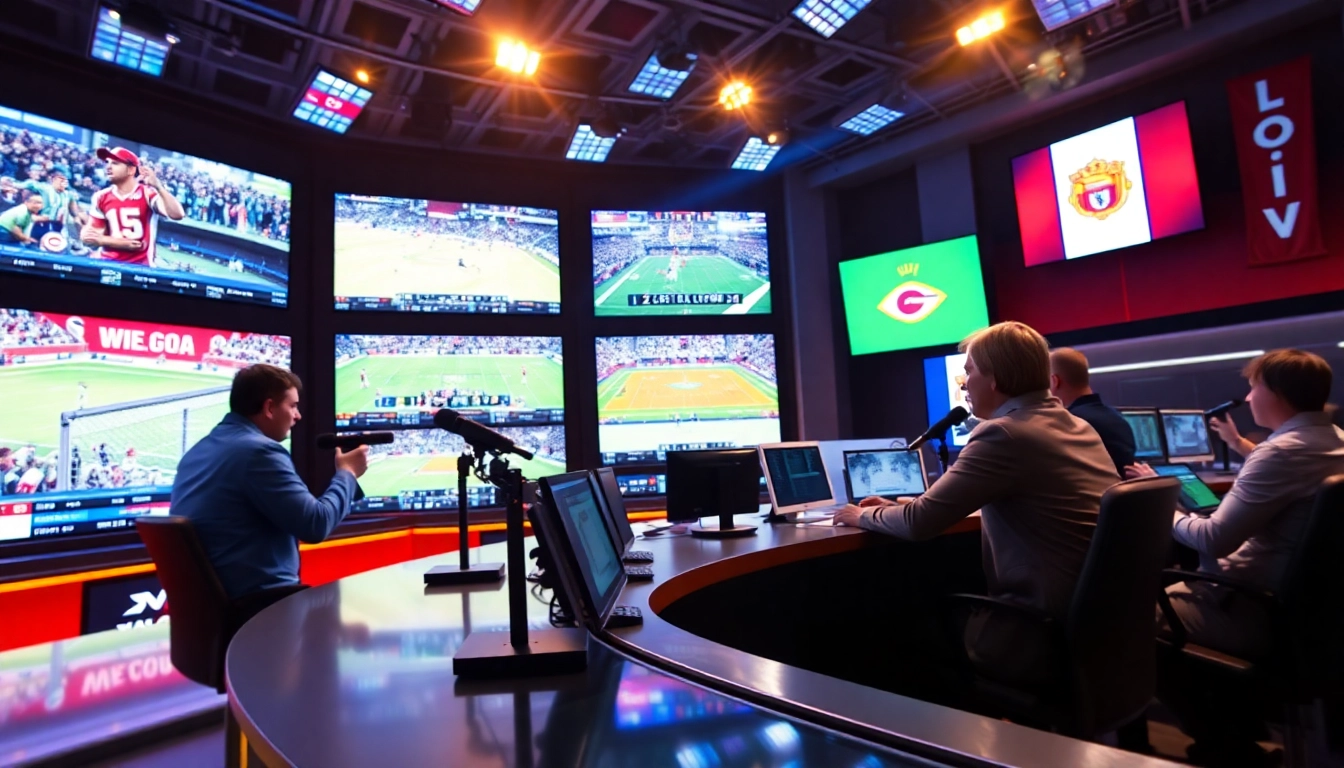
To facilitate high-quality sports broadcasting, several key pieces of equipment are essential. These include HD cameras, reliable microphones for clear sound capture, and mixing consoles for broadcasting live audio. A well-equipped control room is necessary to manage feeds, footage, and graphics seamlessly during live events. In addition, portable broadcasting equipment is pivotal for outdoor and remote events, allowing broadcasters to maintain quality and reliability regardless of location.
Crafting Compelling Narratives in Sports Broadcasting
A compelling narrative is at the core of effective sports broadcasting. Broadcasters must weave together player stories, team histories, and emotional highs and lows to engage viewers. This can include background interviews, behind-the-scenes footage, and expert commentary that brings depth to the sporting event. A well-told story not only captures the excitement of the event but also fosters a deeper connection between fans and their favorite teams and players, promoting loyalty and viewership consistency.
Utilizing Visual Aids Effectively in Sports Broadcasting
Visual aids are crucial in enhancing the understanding and enjoyment of sports broadcasts. Graphics displaying statistics, player movements, and game strategies can clarify complex aspects of the sport. Replays and slow-motion captures of pivotal moments allow fans to grasp the intricacies of a game. Effective visual storytelling involves using these aids judiciously to support narratives, maintain pace, and keep audiences engaged without overwhelming them with too much information.
Engaging Audiences Through Sports Broadcasting
Understanding Audience Demographics
Understanding audience demographics is essential for tailoring content to meet viewer preferences. Sports broadcasters must analyze data related to age, gender, interests, and viewing habits to create engaging content. For instance, younger audiences might prefer interactive content shared on social media platforms, whereas older demographics may enjoy traditional televised broadcasts. By aligning broadcasting strategies with audience demographics, networks can enhance viewer satisfaction and increase engagement metrics.
Best Practices for Audience Interaction
Fostering audience interaction is vital in modern sports broadcasting. Broadcasters should leverage social media for real-time engagement, encouraging fans to share their thoughts during games, participate in polls, or submit questions for commentators. Integrating audience feedback into broadcasts, such as showcasing fan reactions or responding to social media inquiries during the game, can create a more immersive experience and strengthen the sense of community among viewers.
Building a Community Around Sports Broadcasting
Building a community is key to sustaining viewer interest and loyalty in sports broadcasting. This entails creating platforms for fans to connect, such as forums, discussion panels, or community events. By involving fans in the conversation through live chats or allowing them to share content related to the sport, broadcasters can cultivate a sense of belonging among their viewers. Successful community-building efforts often lead to increased viewership, as fans feel more connected to the brand and its content.
Maximizing Reach in Sports Broadcasting
Leveraging Social Media for Sports Broadcasting
Social media platforms are invaluable tools for maximizing reach in sports broadcasting. By sharing highlights, behind-the-scenes content, and live updates, broadcasters can attract viewers and generate buzz around upcoming events. Engaging influencers and sports personalities to amplify messages can also enhance visibility and inspire audiences to participate in conversations surrounding the event. Consistent, strategic social media engagement is essential to maintain interest and foster a loyal online community.
Partnership Opportunities in Sports Broadcasting
Collaborating with brands, sponsors, and media partners can significantly expand the reach of sports broadcasts. Strategic partnerships can enhance production quality, provide sponsorship opportunities, and attract a broader audience. Platforms might engage local businesses for community events, collaborate with other media outlets for wider coverage, or team up with digital platforms for extensive streaming options. Creating mutually beneficial partnerships can fortify brand reputation and bolster viewer trust.
Global Trends Impacting Sports Broadcasting
Understanding global trends is essential for staying relevant in the sports broadcasting industry. Shifts like the increasing demand for mobile access, the rise of eSports, and the emphasis on sustainable broadcasting practices are shaping future strategies. Adapting to these trends enables broadcasters to engage with newer audiences while catering to traditional fans. Constantly assessing market dynamics and audience preferences leads to innovative approaches that can redefine how sports are consumed worldwide.
Challenges and Future of Sports Broadcasting
Common Challenges in the Sports Broadcasting Industry
The sports broadcasting industry faces several challenges, including competition for viewer attention, technological disruptions, and copyright concerns. As the number of content providers increases, standing out requires unique storytelling and distinctive broadcasting angles. Moreover, navigating legal complexities related to broadcasting rights is crucial for avoiding costly disputes. Adapting to technology changes also demands continuous investment in infrastructure and talent to stay competitive.
Preparing for Future Innovations in Sports Broadcasting
Future innovations in sports broadcasting promise to enhance viewer experiences significantly. From virtual reality experiences that allow fans to immerse themselves in the action to AI-enhanced content that personalizes viewing options, the possibilities are exciting. Broadcasting networks should invest in research and development to anticipate and adapt to these innovations, ensuring they remain at the forefront of the industry while meeting the evolving needs of viewers.
Ethics and Responsibilities in Sports Broadcasting
Ethics is a fundamental consideration in sports broadcasting, as disseminating accurate and fair information is vital. Broadcasters hold the responsibility to present events truthfully, uphold the integrity of the sport, and avoid sensationalism. They must also consider issues such as content suitability for various age groups and the portrayal of sensitive subjects. Adopting a commitment to ethical practices not only strengthens audience trust but also supports the overall credibility of sports broadcasting.
Frequently Asked Questions (FAQs)
What is sports broadcasting?
Sports broadcasting refers to the transmission of sporting events through television, radio, or online platforms, providing commentary, analysis, and live coverage to audiences.
How has technology impacted sports broadcasting?
Technology has enhanced sports broadcasting through high-definition streaming, augmented reality graphics, real-time analytics, and portable broadcasting equipment, improving viewer experience significantly.
What are effective ways to engage sports audiences?
Engaging sports audiences can be achieved through social media interaction, compelling storytelling, audience polls, and creating community spaces for fan discussions and content sharing.
What challenges does the sports broadcasting industry face?
Challenges include competition for viewers, technological disruptions, legal issues regarding broadcasting rights, and the necessity to stay innovative and relevant in a rapidly evolving market.
What are future trends in sports broadcasting?
Future trends include the use of virtual reality for immersive fan experiences, AI-driven content personalization, and a focus on sustainability in broadcasting practices, shaping the industry’s direction.